
Asbestos Testing in Scranton, PA: Samples, Labs & Results
SafeShield Asbestos Removal collects and submits asbestos samples for accredited laboratory analysis across Scranton and Lackawanna County. Whether you are buying an older home, planning a renovation, or reacting to damaged material, we can tell you exactly what you are dealing with. Call (570) 632-3920 to arrange sampling.
Asbestos testing is the collection of small material or air samples and their analysis by an accredited laboratory to confirm whether asbestos fibers are present and at what concentration. It is used by homeowners, landlords, contractors and property buyers in Scranton, PA before renovation, demolition or abatement work.
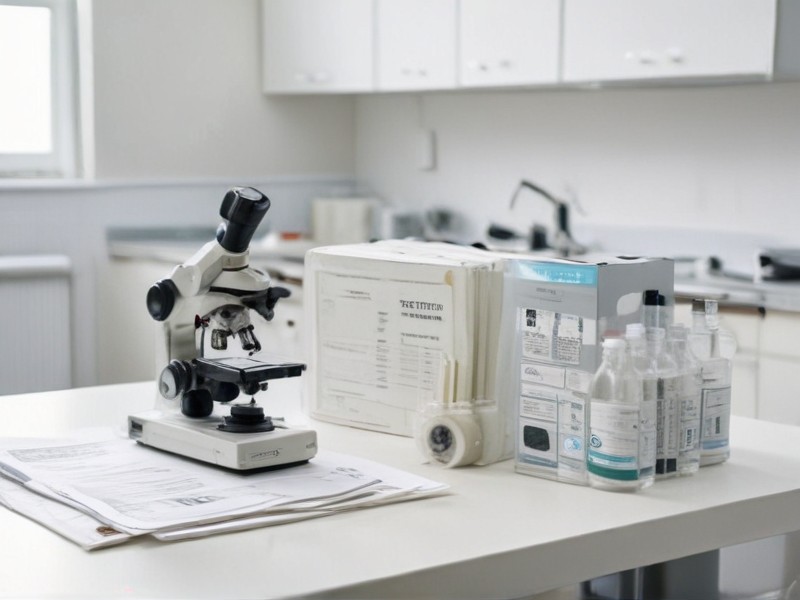
Asbestos testing answers one question with certainty: does this material contain asbestos, and if so, how much and what type. No inspector can tell by sight alone. Floor tile, pipe wrap, plaster, popcorn ceilings, siding, roofing felt, duct mastic and vermiculite insulation all look the same whether or not they contain asbestos, which is why laboratory analysis is the only defensible answer.
Testing solves several practical problems. It stops renovation work from disturbing asbestos-containing material and contaminating a home. It gives contractors the documentation they need before demolition. It resolves disputes during a real estate transaction. And it frequently saves money, because roughly half of suspect materials we sample come back negative, meaning no abatement is needed at all.
SafeShield Asbestos Removal tests homes and commercial buildings throughout Scranton, a market dominated by pre-1980 housing stock where asbestos-containing materials are common. Our samplers follow EPA and Pennsylvania DEP protocols, wet the material to prevent fiber release, seal samples in labeled chain-of-custody containers, and submit them to an independent NVLAP-accredited laboratory. Because the lab is independent, results are not influenced by whether removal work follows.
You receive a written report identifying each sampled material, its asbestos content by percentage and fiber type, the condition of the material, and a clear recommendation: leave it alone, manage it in place, or remove it. If removal is warranted, we can quote it. If it is not, we tell you plainly.
What Our Asbestos Testing Service Covers
A typical residential asbestos test begins with a walkthrough. The sampler identifies suspect materials by age, texture, layering and location, then decides how many samples are needed. EPA protocol requires multiple samples per homogeneous material for reliable results, particularly for surfacing materials like textured ceilings and plaster, where three to seven samples may be taken from a single area. Non-friable materials such as floor tile, siding or roofing usually require fewer.
Sampling itself is small-scale and controlled. The area is isolated, the material is misted with water or amended wetting agent to suppress fiber release, and a small piece is cut or scraped free using hand tools. Each sample goes into a sealed, labeled container. The damaged spot is patched or encapsulated before we leave. Sampling a single material takes minutes; a full-home survey of eight to twelve materials takes one to three hours.
Bulk samples are analyzed by Polarized Light Microscopy (PLM) with dispersion staining, which identifies asbestos type -- chrysotile, amosite, crocidolite -- and quantifies content. Materials over one percent asbestos are regulated. Point counting or TEM analysis is available where PLM results are borderline, common with vinyl floor tile and some mastics.
Air testing uses a different method. Calibrated pumps draw a measured volume of air through filter cassettes, which are analyzed by Phase Contrast Microscopy (PCM) or TEM. Air sampling is used to check occupied space after suspected disturbance, and for post-abatement clearance, where results must fall below 0.01 fibers per cubic centimeter before an area is released.
Standard laboratory turnaround is three to five business days. Rush 24-hour and same-day service is available for closings and stalled construction schedules. Reports include sample locations, photographs, analytical results, the laboratory's accreditation details, chain-of-custody records, and a written assessment of material condition with a recommended course of action. If a material tests negative, the report is your documentation that no further action is required -- worth keeping for future renovations and resale.
Benefits of Professional Asbestos Testing
Accredited Laboratory Analysis
Samples go to an independent NVLAP-accredited laboratory using PLM, PCM or TEM methods as appropriate. Results carry the weight needed for permits, contractor requirements, real estate transactions and insurance claims, rather than an inspector's visual guess about what a material might contain.
Avoids Unnecessary Removal
Many suspect materials test negative. Testing before you commit to abatement often shows the floor tile, plaster or siding you were worried about contains no regulated asbestos, saving thousands in removal costs and letting your renovation proceed on schedule.
Safe Sampling Technique
Cutting into asbestos material carelessly releases fibers into a home. Our samplers wet materials, isolate the work spot, use hand tools rather than power tools, and seal and patch every sample location so the test itself does not create a contamination problem.
Fast Turnaround Options
Standard results arrive in three to five business days, with 24-hour and same-day rush analysis available. That flexibility matters when a real estate closing date is fixed or a crew is standing idle waiting for clearance to continue demolition work.
Clear Written Reports
Reports state each material sampled, its asbestos percentage and fiber type, its physical condition, and whether it should be removed, encapsulated or left undisturbed. No jargon-only documents that leave you unsure what to do next.
Full Scope of Testing
Bulk material sampling, air monitoring, post-abatement clearance testing and pre-demolition surveys are all handled by one company. If results show abatement is needed, the same team can quote and perform the removal under Pennsylvania DEP requirements.
How Our Asbestos Testing Process Works
Phone Consultation
We discuss the building's age, what materials concern you, and why you need testing -- renovation, purchase, damage or demolition. This determines whether bulk sampling, air testing or a full survey is appropriate and gives you a firm price before anyone visits.
On-Site Inspection
A sampler walks the property, identifies suspect materials, and maps homogeneous areas. Attics, basements, boiler rooms, behind walls and under flooring layers get particular attention, since asbestos materials in Scranton homes are often hidden beneath later renovations.
Controlled Sample Collection
Each material is misted, sampled with hand tools, and sealed into a labeled container with chain-of-custody documentation. Sample locations are patched or encapsulated. Air samples, where required, are drawn through calibrated pumps over a measured period.
Laboratory Analysis
Samples are delivered to an accredited laboratory for PLM analysis of bulk materials or PCM/TEM analysis of air cassettes. Standard turnaround is three to five business days, with rush options when a deadline requires faster results.
Written Report and Review
You receive a report listing every sample, its asbestos content and type, material condition, and a recommendation. We go through it with you by phone or in person so you understand which materials are regulated and which are not.
Next Steps Planned
If asbestos is confirmed, we outline your options: removal, encapsulation or management in place, with pricing. If results are negative, the report closes the matter and serves as documentation for contractors, permit offices or a future buyer.
Frequently Asked Questions
Common questions about asbestos testing
Asbestos testing typically runs $75 to $150 per sample, with most single-material tests falling in that range including collection and laboratory analysis. A full residential survey covering eight to twelve materials generally costs $400 to $800. Rush laboratory turnaround adds a fee. Call (570) 632-3920 for a firm quote based on how many materials need sampling.
Standard laboratory turnaround is three to five business days after samples are submitted. Same-day and 24-hour rush analysis is available when a closing date or construction schedule requires it. Sample collection itself takes 30 minutes for a single material and one to three hours for a whole-house survey.
Homeowner self-sampling is legal in Pennsylvania but carries real risk, since cutting into dry asbestos material releases fibers into the home. Self-collected samples are also frequently rejected for real estate, permit or contractor purposes because there is no documented chain of custody or verified sample location.
Pipe and boiler insulation, 9x9 and 12x12 vinyl floor tile with its black mastic, textured or popcorn ceilings, plaster and joint compound, cement siding and shingles, roofing felt, duct wrap and vermiculite attic insulation are the common suspects. Homes built before 1980 in Scranton frequently contain several of these.
Permits are not required to collect asbestos samples. Permit and notification requirements apply to abatement and demolition work, where Pennsylvania DEP notification and municipal demolition permits are triggered. Testing is usually the step that determines what notifications will be needed later, which is why contractors ask for results first.
A positive result means the material contains more than one percent asbestos and is regulated. The report will state whether the material is friable, its condition, and whether removal, encapsulation or leaving it undisturbed is appropriate. Intact material that will not be disturbed often needs no action at all.
Air testing measures asbestos fibers currently airborne in a space, while bulk material testing determines whether a specific material contains asbestos. Air testing is used after a suspected disturbance and for post-abatement clearance, where fiber counts must fall below 0.01 fibers per cubic centimeter before reoccupancy.
Testing and removal are separate services with no obligation between them. Laboratory analysis is performed by an independent accredited lab, so results are not influenced by whether abatement follows. Many clients test, learn no asbestos is present, and proceed with their renovation without further involvement from us.
Service Areas
We proudly serve these locations