
Asbestos Siding Removal in Scranton, PA
SafeShield Asbestos Removal takes down cement-asbestos shingle siding on Scranton homes and disposes of it at a licensed landfill under Pennsylvania DEP rules. Our crews are PA-licensed and trained for exterior abatement, including houses where the siding sits over original wood clapboard. Call (570) 632-3920 for a measured quote before you book a siding contractor.
Asbestos siding removal is the controlled stripping and disposal of cement-asbestos shingles from a building exterior by licensed abatement workers. It applies to homes built roughly between 1920 and 1975 and is typically done before re-siding. SafeShield performs this work for property owners throughout Scranton, PA.
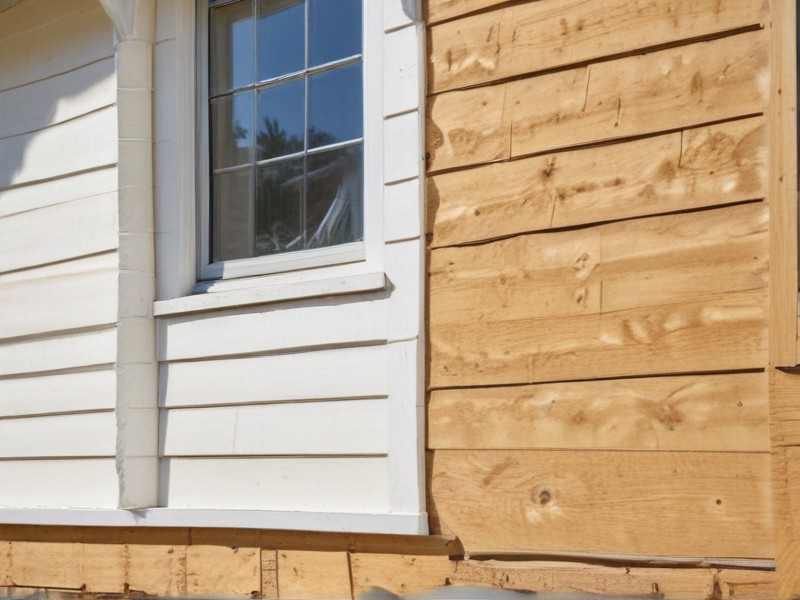
Asbestos-cement siding, often called transite or asbestos shingle, was nailed onto millions of American homes from the 1920s through the mid-1970s. It is common across Scranton's older housing stock: thin, brittle grey or pastel shingles with a wood-grain or wavy bottom edge, roughly 12 by 24 inches, usually fastened with two nails per shingle. Left intact and painted, it is not an urgent hazard. The problem begins when someone tries to remove it. Snapping, sawing, power-washing or sanding these shingles releases respirable fibers directly into the air around the house, and once fibers are in the soil along the foundation, cleanup becomes far more expensive than the original removal.
Most homeowners discover this when a siding contractor refuses to quote the job, when a lender or insurer flags the material, or when a shingle cracks off in a storm. Some contractors will simply install vinyl over the top, which hides the material but leaves it in place for the next owner and complicates any future window, door or electrical work.
SafeShield handles the removal itself as a stand-alone scope, so your siding installer can start on clean sheathing. We are licensed in Pennsylvania, carry pollution liability coverage, file the required DEP notifications, and provide waste manifests documenting that the material reached an approved landfill. That paperwork is what protects you at resale, and it is the part unlicensed removal never provides.
What Our Asbestos Siding Removal Service Covers
Work begins with a site visit to measure wall area, count elevations, check shingle condition, and note obstacles such as porches, dormers, mature landscaping, decks, meters and overhead service drops. We also look for previously fallen shingle fragments in the flower beds and along the drip line, since soil cleanup is priced separately and you should know about it before the job starts.
Before removal, we file a written notification with the Pennsylvania Department of Environmental Protection where the quantity triggers it, and coordinate with your siding contractor on the handoff date. On mobilization day, crews lay heavy poly sheeting on the ground out from the foundation, weight and seal the edges, and mask windows, doors and vents on the working elevation. Shrubs are tented. If the house is close to a neighbor's property line, we set containment on that side first.
Removal is entirely manual and wet. Shingles are misted with amended water, then the nails are pulled or the shingle is levered off whole with a flat bar and a shingle ripper. Nothing is cut, snapped, dropped or power-washed. Intact shingles go straight into lined, labeled disposal bins or double-bagged 6-mil poly; fragments are collected as they occur rather than at the end of the day. Workers wear fitted respirators and disposable suits and decontaminate before leaving the exclusion zone.
After the last elevation is stripped, we do a visual inspection of the sheathing and the ground sheeting, roll the poly inward to trap debris, HEPA-vacuum where needed, and load the waste under manifest for transport to a permitted landfill. You receive copies of the notification, the manifests and the disposal receipts.
A typical Scranton two-story, 1,200 to 1,600 square foot house with all four elevations covered runs two to four working days. Small ranches and single-elevation jobs often finish in one day. Weather matters: we do not strip in high wind, and heavy rain can push a day. Cost is driven by wall square footage, story height, shingle condition and disposal tonnage; most whole-house removals in the area fall in the $4 to $9 per square foot range, with small partial jobs carrying a minimum charge.
Benefits of Professional Asbestos Siding Removal
Licensed, manifested disposal
Every load leaves under a waste manifest to a landfill permitted to accept asbestos-containing material. You get copies for your records, which answers the question buyers, agents and insurers ask when they learn the home once had asbestos siding.
Wet, whole-shingle removal
Shingles are misted and levered off intact rather than broken, cut or blasted. Keeping the material whole is the single biggest factor in how much fiber gets released, and it keeps the surrounding soil and your neighbor's yard out of the cleanup scope.
Ground and landscaping protection
Sealed poly sheeting runs out from the foundation and shrubs are tented before a single nail is pulled. Fragments land on plastic instead of in mulch, so we can roll everything up at the end rather than hand-picking debris out of your flower beds.
Clean handoff to your installer
We strip to bare sheathing, inspect it, and clear the site so your siding or insulation contractor can begin immediately. Coordinating the two schedules up front avoids the gap where an unwrapped house sits open to Scranton weather.
No cover-up shortcuts
Siding over asbestos shingles postpones the problem and complicates future window, door and electrical work. Full removal ends the issue permanently and removes the disclosure conversation from every future sale of the property.
Insured against the real risk
SafeShield carries pollution liability in addition to general liability and workers' compensation. If a homeowner or handyman causes a release, the cost of air monitoring and soil remediation falls on the property owner, not on anyone else.
Soil contamination assessment
We check the drip line and beds for buried fragments from decades of storm damage before quoting. Finding it early means it is priced into the job instead of surfacing as a change order halfway through the week.
How Our Asbestos Siding Removal Process Works
On-site measurement and assessment
We measure each elevation, evaluate shingle condition, identify access constraints, and inspect the ground for existing debris. Where the material has never been tested, a sample is collected and lab-analyzed to confirm asbestos content before any pricing is finalized.
Written scope, quote and scheduling
You receive a fixed quote broken out by wall area, disposal tonnage and any soil work, plus a projected number of working days. We coordinate the start date with your siding installer so the house is not left exposed longer than necessary.
Notification and permitting
Required notifications are filed with the Pennsylvania DEP and any applicable local authority ahead of the start date, with the statutory waiting period observed. We handle the filings; you do not need to contact the agency yourself.
Containment and site setup
Crews lay and seal ground sheeting, mask openings on the working elevation, tent shrubs, post signage, and establish a decontamination area. Vehicles, grills and furniture are moved clear of the work zone before removal begins.
Wet manual stripping
Shingles are misted with amended water and removed whole with flat bars and shingle rippers, elevation by elevation. Material goes directly into lined, labeled containers. No cutting, snapping, sanding or power-washing occurs at any point.
Cleanup, inspection and documentation
Sheeting is rolled inward to capture debris, the sheathing and perimeter get a final visual inspection, and HEPA vacuuming is performed where needed. Waste is transported under manifest, and you receive notification copies, manifests and disposal receipts.
Frequently Asked Questions
Common questions about asbestos siding removal
Whole-house asbestos siding removal in the Scranton area generally runs $4 to $9 per square foot of wall area, which puts most two-story homes between $6,000 and $14,000. Pricing depends on square footage, story height, shingle condition, disposal tonnage and site access. Partial removals carry a minimum charge. Every quote is written after an on-site measurement.
Covering asbestos siding with vinyl or insulated panels is legal and common, and it costs less than removal. The material remains on the wall, so it still must be disclosed at sale, and any future window replacement, door install, electrical penetration or storm damage becomes an abatement event. Removal ends the issue permanently.
A typical 1,200 to 1,600 square foot Scranton home with all four elevations covered takes two to four working days. Single-elevation or small ranch jobs often finish in one day. High wind and heavy rain stop work, so we build a weather day into scheduling between November and April.
Notification to the Pennsylvania Department of Environmental Protection is required once the quantity of asbestos-containing material exceeds regulatory thresholds, and a waiting period applies before work can begin. SafeShield files the notification and handles any local requirements. Plan on roughly ten business days between signing and start date for this reason.
Intact, painted asbestos-cement siding releases very little fiber because the asbestos is bound in cement. Risk rises sharply when shingles are broken, drilled, cut, sanded or power-washed. Homes with cracked or crumbling shingles, or fragments scattered in the beds, should be evaluated rather than left.
Laboratory confirmation is required before abatement, even when the material is visually obvious. A bulk sample is collected and analyzed by an accredited lab. If you have not already tested, we handle sampling as part of the assessment, and results typically return within a few business days.
Soil along the drip line often contains shingle fragments from decades of weather and prior repairs. We inspect for this during the site visit and price any needed removal of contaminated topsoil separately. Identifying it before the job starts avoids a mid-project change order and keeps the yard usable afterward.
You receive a copy of the DEP notification, waste shipment manifests, landfill disposal receipts and a completion summary describing the scope removed. These records demonstrate lawful disposal and are what buyers, agents, appraisers and insurers ask for when the property later changes hands. Keep them with your deed.
SafeShield warrants that all accessible asbestos-containing siding within the contracted scope is removed and that disposal complied with state and federal requirements, backed by the manifests. The work is covered by pollution liability, general liability and workers' compensation insurance. Damage to sheathing discovered under the shingles is documented but repaired by your siding contractor.
Service Areas
We proudly serve these locations
Need Asbestos Siding Removal in Scranton, PA?
Contact us today for a free estimate
Call (570) 632-3920