
Asbestos Pipe Insulation Removal in Scranton, PA
SafeShield Asbestos Removal strips and disposes of asbestos pipe lagging, elbow fittings and boiler wrap in Scranton basements, crawlspaces and mechanical rooms. Our licensed crews handle friable insulation under full containment and negative air, from a single steam line to an entire distribution system. Call (570) 632-3920 to schedule a site walk.
Asbestos pipe insulation removal is the controlled stripping and disposal of asbestos-containing lagging, air-cell wrap and fitting cement from heating pipes and boilers. The material is friable and releases fibers when disturbed, so work requires containment, negative air and licensed abatement crews. SafeShield serves homes and commercial buildings in Scranton, PA.
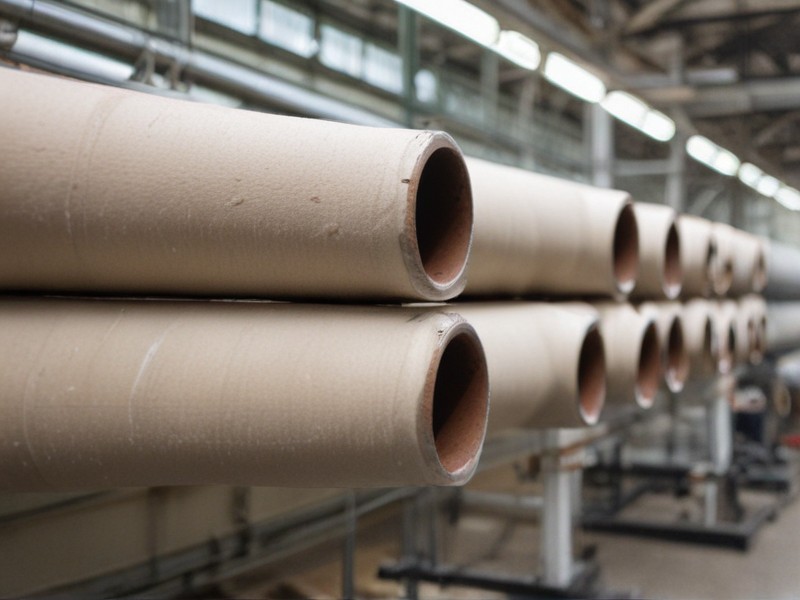
Pipe insulation is the most hazardous asbestos material found in older Scranton buildings. Corrugated air-cell wrap, chalky white fitting cement on elbows and tees, and thick boiler lagging were standard on steam and hot water systems installed between roughly 1920 and 1975. Unlike floor tile or intact siding, this material is friable, meaning it crumbles under hand pressure and sheds fibers into the air with nothing more than a bump from a ladder or a brush from a contractor running new ductwork.
Most owners discover it during a furnace replacement, a basement finishing project, a plumbing repair or a pre-sale inspection when a lender or buyer flags the wrap. The problems it creates are immediate: contractors refuse to work around it, debris accumulates on the basement floor, and disturbed sections continue releasing fibers into air that circulates through the whole house via the mechanical system.
SafeShield Asbestos Removal handles this work as a dedicated abatement discipline rather than a side service. Our supervisors and workers hold Pennsylvania accreditation, we carry abatement-specific liability coverage, and every project ends with written documentation and manifested disposal records you can hand to a buyer, a lender or an insurer. We coordinate directly with your HVAC or plumbing contractor so the pipes are clear when they arrive, not after.
What Our Asbestos Pipe Insulation Removal Service Covers
Work begins with a walkthrough to measure linear feet of straight run, count fittings, and identify whether the system is live, drained or abandoned. Fitting cement on elbows is priced separately from straight lagging because each elbow takes far longer per square foot. If the material has not been tested, we collect bulk samples and send them for PLM analysis before pricing a removal.
Containment is built before anything is touched. We seal the work area with 6-mil polyethylene sheeting, isolate doorways with a three-stage decontamination chamber, shut down and seal the HVAC system, and install HEPA-filtered negative air machines that exchange the air in the enclosure continuously and keep it under negative pressure relative to the rest of the building. Crews work in disposable suits with half-face or full-face respirators.
Removal is wet. Insulation is saturated with amended water using an airless sprayer to suppress fiber release, then cut and removed in sections into labeled 6-mil disposal bags, double-bagged and staged for transport. Glovebag removal is an option on short runs of live pipe where full enclosure is impractical. After gross removal, pipes are wire-brushed and wiped, surfaces within the containment are HEPA-vacuumed and wet-wiped, and an encapsulant is sprayed to lock down any residual fibers.
Waste travels on a manifest to a licensed disposal facility. Nothing goes in a dumpster. You receive copies of the manifests with your closeout package.
Timeline for a typical Scranton residential basement with 60 to 150 linear feet of lagging and a dozen fittings is one to two working days on site, plus setup and teardown. Larger commercial mechanical rooms or multi-floor riser systems run three days to two weeks. Where required or requested, a third-party industrial hygienist performs final visual inspection and air clearance sampling before containment comes down; clearance results typically return within 24 hours, and the area stays sealed until they pass.
Benefits of Professional Asbestos Pipe Insulation Removal
Friable Material Handled Correctly
Pipe lagging is the highest-risk asbestos category because it releases fibers with minimal disturbance. Our crews treat it accordingly with full enclosure, negative air and wet methods rather than the lighter controls appropriate to non-friable materials like floor tile or cement board.
Clearance Testing Before Reoccupancy
Containment stays up until air sampling confirms fiber counts are below clearance thresholds. You get lab documentation proving the space is safe before anyone returns, which matters for families, tenants and any employer with occupational exposure obligations.
Manifested Legal Disposal
Every bag of asbestos waste is tracked on a shipping manifest to a permitted disposal site. Copies come to you. This protects you from liability that follows improperly dumped material back to the property owner years later.
HVAC Contractor Coordination
Most pipe insulation jobs exist because a boiler or furnace is being replaced. We schedule around your mechanical contractor so pipes are stripped, cleared and ready on their start date instead of stalling the install and racking up delay costs.
Written Scope and Fixed Pricing
You receive a scope listing linear feet, fitting count, containment method and clearance protocol with a firm price before work starts. Unknown conditions are called out in advance rather than appearing as change orders halfway through the project.
Documentation for Sale or Refinance
Closeout packages include pre-work lab results, the abatement scope, disposal manifests and clearance air results. Buyers, lenders and title companies accept this file as proof the hazard was professionally resolved and not simply covered over.
How Our Asbestos Pipe Insulation Removal Process Works
Site Assessment and Sampling
A supervisor measures runs and fittings, checks whether the system is active, evaluates access and identifies debris fallout. Unverified material is sampled and sent for PLM analysis so removal is only scoped for what actually contains asbestos.
Written Scope and Scheduling
You receive a fixed-price proposal detailing quantities, containment design, clearance protocol and duration. Notifications are filed where required, utilities and heating downtime are coordinated, and a start date is set around your mechanical work.
Containment and Negative Air Setup
Polyethylene barriers, a decontamination chamber and critical barriers over vents and openings are installed. HEPA negative air machines are started and pressure differential is verified before any insulation is touched.
Wet Removal and Bagging
Insulation is saturated with amended water, removed in sections and double-bagged in labeled 6-mil disposal bags. Fittings and elbow cement are removed by hand, then pipes are brushed clean of residual material.
Cleaning and Encapsulation
All surfaces inside containment are HEPA-vacuumed and wet-wiped, waste is removed through the decon chamber, and an encapsulant is applied to cleaned pipe and adjacent surfaces to lock down any remaining fibers.
Clearance Testing and Closeout
A visual inspection and air clearance sampling confirm the area is safe. Containment is dismantled after passing results, and you receive lab reports, disposal manifests and the full project file.
Frequently Asked Questions
Common questions about asbestos pipe insulation removal
Pricing typically runs $18 to $40 per linear foot of straight pipe lagging, with fittings and elbows priced individually at roughly $25 to $60 each because they take longer to strip. A typical residential basement project lands between $2,500 and $7,000 including containment, disposal and clearance testing. Site conditions and access drive the range.
A typical Scranton basement with 60 to 150 linear feet of lagging takes one to two working days on site, plus setup and teardown. Clearance air results return within about 24 hours, so plan on two to three days before the space is fully released. Large commercial mechanical rooms take one to two weeks.
Occupants can usually remain in the home when the work area is an isolated basement under full containment with negative air and the HVAC system is sealed off. Relocation is recommended when the pipes run through occupied living space, when the household includes infants or immunocompromised members, or when heating must be shut down in winter.
Pennsylvania requires accredited asbestos contractors for friable material, and written notification to the Department of Environmental Protection is required on most commercial projects and on residential jobs exceeding regulatory thresholds. SafeShield files all required notifications and observes the waiting periods. Local Scranton permits may also apply when the work accompanies mechanical or demolition permits.
Encapsulation or enclosure is a legitimate option when the lagging is intact, undamaged and located where it will not be disturbed. Removal becomes necessary once the wrap is torn, crumbling, shedding debris, or in the path of boiler replacement, plumbing work or basement finishing. We assess condition and give you both options in writing.
Final clearance is confirmed by visual inspection and air sampling analyzed by an accredited laboratory, with containment remaining sealed until results pass the regulatory threshold. You receive the lab report as part of your closeout package. Clearance testing is included in our standard pipe insulation scope rather than sold as an extra.
Waste is double-bagged in labeled 6-mil disposal bags, sealed inside containment, transported under a waste shipping manifest and buried at a permitted disposal facility licensed to accept asbestos. Manifest copies are provided to you. Asbestos waste can never legally go into a construction dumpster or municipal trash.
Steam and hot water systems are generally drained and shut down during removal so crews can work safely on cool pipes, which means no heat for the duration of the project. We schedule winter jobs tightly, often completing residential removals in a single day, and coordinate with your heating contractor to restart the system promptly.
Service Areas
We proudly serve these locations
Need Asbestos Pipe Insulation Removal in Scranton, PA?
Contact us today for a free estimate
Call (570) 632-3920