
Asbestos Removal in Scranton: What the Job Involves
SafeShield Asbestos Removal handles licensed asbestos removal in Scranton, PA, from a single pipe wrap to a full basement or attic strip-out. We tell you up front what has to come out, what can stay, what it costs and how long your home or building will be off-limits. Call (570) 632-3920 to talk through the scope.
Asbestos removal is the licensed physical extraction and disposal of asbestos-containing building materials such as pipe insulation, floor tile, siding and duct wrap. It is performed for homeowners, landlords and commercial property owners in Scranton, PA, under containment, with air monitoring and clearance testing before reoccupancy.
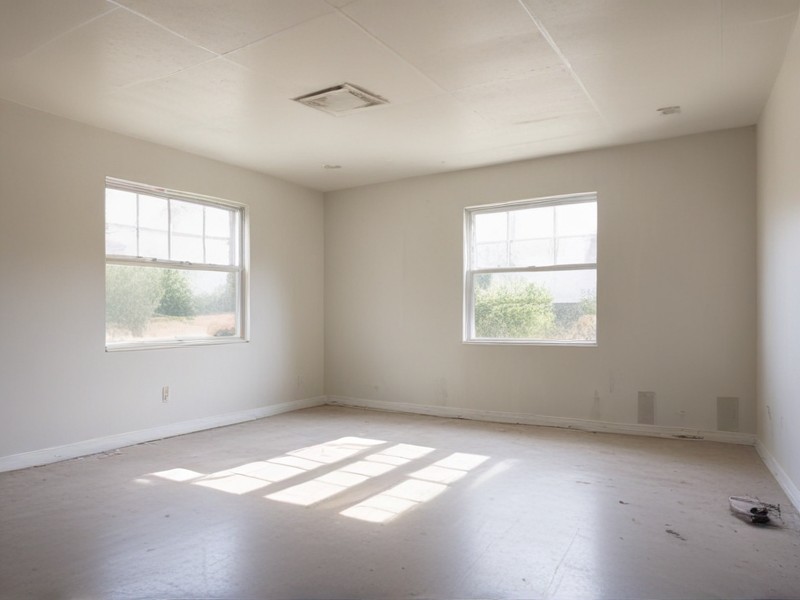
Asbestos removal is the work that follows a positive lab result. Testing tells you a material contains asbestos; removal is the controlled process of taking that material out of the building without releasing fibers into the air you breathe. The two jobs are related but separate, and removal is the one governed by licensing, containment rules and disposal manifests.
Most removal work in this region involves older housing stock: corrugated or block pipe insulation on steam and hot water lines, 9x9 floor tile and the black cutback adhesive under it, transite siding and flue pipe, plaster and joint compound, and insulation around old coal-conversion furnaces. These materials are usually harmless while intact and sealed. They become a problem when they crumble, when a pipe leaks, when a renovation cuts into them, or when a lender, insurer or buyer requires them gone before a sale closes.
SafeShield Asbestos Removal works only in asbestos. That focus matters, because removal is a procedure with fixed steps — negative air, six-mil poly, wet methods, sealed double-bagging, licensed landfill disposal — and shortcuts on any of them show up later in a failed clearance test or contaminated adjoining rooms. We give written scopes that state exactly which materials are coming out, how the area will be isolated, what your occupancy restrictions are and what the disposal documentation will show. If a material is better encapsulated than removed, we say so rather than selling you the larger job.
What Our Asbestos Removal Service Covers
Every removal begins with a scope walk. We confirm what the lab result covers, identify any additional suspect materials in the work path, measure linear feet or square footage, and check access, power and water. That walk produces a written estimate with a line item for each material type, because pipe insulation, floor tile and siding are priced and handled differently.
On the day of work, the area is isolated. Interior jobs get a critical barrier of six-mil polyethylene over doorways, floors, vents and fixed contents, and a HEPA-filtered negative air machine that keeps the work zone under lower pressure than the rest of the building so air moves inward. Larger friable jobs get a decontamination chamber at the entry. Crews work in disposable suits and fitted respirators.
Removal itself is done wet. Materials are saturated with amended water to suppress fiber release, removed in the largest intact pieces possible, and placed directly into labeled six-mil bags that are double-bagged and sealed. Floor tile is typically lifted with hand scrapers rather than power tools; cutback adhesive is removed with a solvent or, where appropriate, covered in place. Exterior transite siding is wet-removed pane by pane with ground sheeting beneath. Waste leaves in a covered vehicle and goes to a permitted asbestos landfill, and you receive the disposal manifest.
After removal, surfaces are HEPA-vacuumed and wet-wiped, then a lockdown encapsulant is sprayed on remaining substrates. An independent air clearance test is taken inside the containment before it comes down. You reoccupy only after clearance passes.
Timeline depends on the material. A single boiler or a run of pipe insulation is often one day. A basement of pipe insulation plus tile runs two to three days. Whole-house siding or a full floor of commercial tile runs three to five. Lab clearance results generally return within 24 hours, and rush turnaround is available when a closing date is driving the schedule.
Benefits of Professional Asbestos Removal
Licensed, insured crews
Asbestos work in Pennsylvania requires licensed supervisors and trained workers, and improper removal creates liability that follows the property. Our crews carry current certification and the company carries pollution liability coverage, so the work and the paperwork both hold up under scrutiny from inspectors, insurers and future buyers.
Written scope before work starts
You get a document naming each material being removed, the square or linear footage, the containment method and the exclusions. That prevents the mid-job change orders that inflate asbestos pricing and gives you something concrete to compare against other bids.
Independent clearance testing
Air clearance samples are analyzed by a third-party accredited laboratory rather than in-house, so the result that says your space is safe to reoccupy was not produced by the company that did the removal. You receive the lab report along with the disposal manifest.
Containment that protects the rest
Negative air pressure, critical barriers and decontamination entry keep fibers inside the work zone. Adjoining rooms, HVAC systems and belongings stay clean, which matters most in occupied homes and in multi-unit buildings where you cannot simply close a door.
Honest encapsulate-or-remove advice
Intact, undisturbed material in a location nobody is renovating is often safer and far cheaper to encapsulate than to tear out. We tell you when that applies. Removal is recommended when material is damaged, in a renovation path, or required gone by a lender or buyer.
Documentation for closings
Real estate transactions and commercial leases frequently stall on asbestos. We provide the lab clearance, disposal manifests and scope letter in a single package that satisfies underwriters, attorneys and municipal inspectors without a second round of requests.
Full disposal chain handled
Asbestos waste cannot go in a dumpster. We bag, label, transport and deliver it to a permitted landfill and return the signed manifest, so the material is documented from your property to its final disposal point.
How Our Asbestos Removal Process Works
Scope walk and written estimate
We inspect the materials, confirm lab results or arrange sampling, measure quantities and identify access constraints. You receive a line-item estimate stating what is removed, what stays, containment method and expected occupancy downtime.
Notifications and scheduling
Where the project size or building type triggers state notification requirements, we file the paperwork and observe the waiting period. We then schedule around your occupancy, tenants or contractor sequence.
Containment setup
Poly barriers go over doorways, floors, vents and fixed contents. HEPA negative air machines are installed and pressure differential is verified. Decon chambers are built for larger friable jobs. Warning signage is posted at all entries.
Wet removal and bagging
Materials are saturated, removed intact where possible, and double-bagged in labeled six-mil poly. Hand tools are used in place of power tools. The work zone stays under negative pressure for the entire removal.
Cleaning and encapsulation
All surfaces inside containment are HEPA-vacuumed and wet-wiped, then remaining substrates receive a lockdown encapsulant to bind any residual fibers before the barriers come down.
Clearance testing and handover
An independent lab analyzes air samples taken inside the sealed containment. Once results pass, containment is dismantled and removed. You receive the clearance report, disposal manifests and a completion letter.
Frequently Asked Questions
Common questions about asbestos removal
Pricing is driven by material type and quantity. Pipe insulation is commonly quoted per linear foot, floor tile and siding per square foot. Small single-item jobs such as a boiler jacket or short pipe run typically fall in the low four figures once containment, disposal and clearance testing are included. A full basement or whole-house siding project runs considerably higher. We quote from a site walk, not over the phone.
State notification is required for projects above defined thresholds and for most commercial and multi-unit work, with a waiting period before removal begins. Small owner-occupied residential jobs often fall below the threshold. We determine which category your project falls into during the scope walk and file any required paperwork on your behalf.
Occupancy restriction applies to the contained work area, not always the whole house. A one-day basement job usually lets you stay upstairs. Whole-house or HVAC-connected work typically means vacating for two to four days, including the 24 hours or so needed for clearance lab results to return.
Undamaged asbestos material that nobody will disturb can often be left in place or encapsulated, which costs far less than removal. Removal becomes necessary when material is crumbling, water-damaged, in the path of a renovation, or when a lender, insurer or buyer requires it gone before closing.
A failed clearance means we re-clean the containment and retest at our cost before the barriers come down. This is why containment stays sealed until results return. Failures are uncommon with proper wet methods and negative air, but the protocol exists so residual fibers never reach occupied space.
The work is backed by the passing clearance test and the disposal manifest, which together document that the specified materials were removed and the space met reoccupancy standards. We also warrant our containment and cleaning workmanship. Asbestos in areas outside the written scope is not covered and is quoted separately.
Disposal is included. Asbestos waste is double-bagged, labeled, transported in a covered vehicle and delivered to a permitted asbestos landfill. You receive the signed manifest documenting the chain from your property to final disposal. Asbestos cannot legally go into a standard dumpster or curbside collection.
Removal requires confirmation that the material actually contains asbestos, because many suspect materials test negative and would not need abatement at all. If you do not already have lab results, we collect samples first. Testing a few materials costs a fraction of removing something that never needed to come out.
Occupied buildings are handled with sealed containment, negative air and after-hours or weekend scheduling to limit disruption. Shared HVAC systems are shut down and sealed at the registers. For multi-unit properties, we coordinate notification to tenants and stage the work unit by unit where the layout allows.
Service Areas
We proudly serve these locations