
Asbestos Floor Tile Removal in Scranton, PA
SafeShield Asbestos Removal takes up 9x9 and 12x12 vinyl tile, the black cutback mastic under it, and the asbestos-backed sheet flooring found in older Scranton homes and commercial buildings. Our licensed crews handle the demolition, containment, disposal and clearance as one job. Call (570) 632-3920 to talk through your floor.
Asbestos floor tile removal is the controlled demolition and disposal of vinyl asbestos tile, sheet flooring and the adhesive mastic beneath it. It serves homeowners, landlords, contractors and property managers in Scranton, PA who are renovating, selling or replacing flooring that tested positive for asbestos.
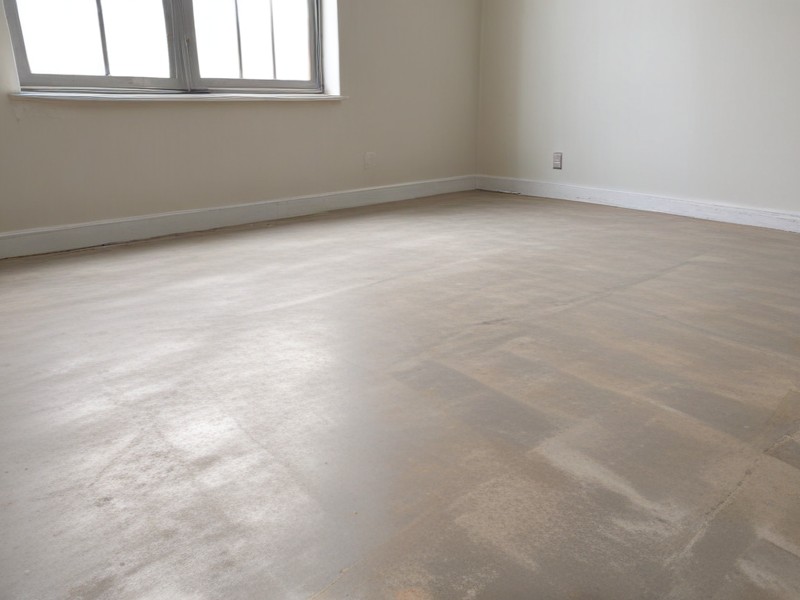
Vinyl asbestos tile was installed in millions of kitchens, basements, hallways and utility rooms between the 1920s and the early 1980s. The tile itself is usually 9x9 inches, sometimes 12x12, and the black adhesive under it (called cutback mastic) frequently contains more asbestos than the tile does. Intact tile under a sealed surface is generally stable. The danger begins when someone starts prying, scraping, sanding or running a floor grinder over it, which releases fibers directly into the breathing zone.
That is where most homeowner projects go wrong. A weekend flooring job turns into a contaminated basement, and the cleanup costs several times what professional removal would have. Real estate transactions stall when a buyer's inspector flags black mastic. Contractors stop work when they hit a second layer of tile under the subfloor they just opened.
SafeShield Asbestos Removal handles floor tile as its own discipline, because it is. Tile removal is mostly a mastic problem, and mastic is where inexperienced crews cut corners with solvents or grinders that turn a manageable job into an airborne one. We use wet methods, low-speed mechanical removal and negative air containment, then leave the substrate ready for your new flooring. Our supervisors are Pennsylvania-licensed, our waste goes to permitted disposal facilities with manifests you keep, and we schedule around your renovation timeline rather than the other way around.
What Our Asbestos Floor Tile Removal Service Covers
Work begins with confirmation that the material is asbestos-containing. If you already have a lab report, we use it. If not, bulk samples of both the tile and the mastic are collected and analyzed, since the two are separate materials with separate results.
Once scope is set, we isolate the work area. Doorways and openings are sealed with 6-mil polyethylene, HVAC registers are shut down and covered, and a HEPA-filtered negative air machine keeps the space under negative pressure so nothing migrates into the rest of the building. Crews work in disposable suits with respiratory protection. On occupied homes we build a decontamination entry so workers never track debris through living space.
Tile is removed wet. Amended water is applied, then tiles are lifted with flat bars and heat where needed, keeping them whole rather than shattering them. Whole tile means fewer fibers. The mastic is then addressed with a low-odor citrus or soy-based mastic remover and mechanical scraping, or with a HEPA-shrouded low-speed buffer for large commercial floors. We do not dry-sand or dry-grind asbestos mastic under any circumstance. Where removal of mastic from a porous concrete slab is impractical, encapsulation with an approved sealer is an accepted alternative and often the smarter call.
All debris is double-bagged in 6-mil labeled asbestos bags, sealed, and transported under manifest to a permitted landfill. The area is HEPA-vacuumed and wet-wiped, encapsulant is applied to remaining surfaces, and containment stays up until clearance.
Typical residential jobs — a kitchen, a basement floor, a hallway — run one to two days. Whole-house or multi-room removals run three to five. Commercial floors of several thousand square feet are usually phased over evenings or weekends. Where required or requested, a third-party industrial hygienist performs visual inspection and air clearance sampling before the plastic comes down. You receive the waste manifests, clearance documentation and disposal records for your files, which matters at resale and for any future permit.
Benefits of Professional Asbestos Floor Tile Removal
Mastic Handled Properly
Black cutback adhesive is the part most crews rush. We remove it wet with chemical strippers and HEPA-shrouded equipment, or encapsulate it when the slab is too porous for full removal. Either way you get a documented outcome and a substrate your flooring installer can actually bond to.
Your Building Stays Clean
Negative air machines, sealed containment and worker decontamination keep fibers inside the work zone. Families stay in the rest of the house on most residential jobs, and commercial tenants in adjacent suites are not displaced. No dust drifting into ductwork or up the stairs.
Renovation-Ready Substrate
We do not just remove tile and leave. The subfloor or slab is cleaned, HEPA-vacuumed and encapsulated where appropriate so your flooring contractor can start immediately. No second mobilization, no surprise prep charges from the installer after we leave.
Full Disposal Paperwork
Every load leaves under a waste manifest to a permitted landfill, and you keep copies along with clearance results. That documentation answers buyer questions at closing, satisfies lenders, and protects you if anyone ever asks what happened to the flooring.
Licensed Pennsylvania Crews
Supervisors and workers hold current Pennsylvania asbestos certifications and work to EPA and OSHA standards. Training is not a formality here — it is why tiles come up whole, containment holds, and clearance passes the first time rather than costing you an extra day.
Priced Before We Start
You get a written scope and fixed price after we see the floor, including tile, mastic, disposal, containment and clearance. Hidden second layers of tile are common in older buildings, and we look for them during the estimate rather than billing for them mid-job.
Fast Scheduling
Flooring projects stall the moment asbestos is found. We keep capacity for short-notice tile jobs so contractors and sellers under deadline are not waiting weeks. Most residential tile removals can be scheduled within a few business days of approval.
How Our Asbestos Floor Tile Removal Process Works
Site Visit and Written Quote
We measure the floor, check for multiple layers, identify the mastic type and confirm access and disposal routes. You receive a fixed written price covering removal, disposal, containment and clearance, with no per-square-foot surprises later.
Sampling and Confirmation
Bulk samples of tile and mastic go to an accredited lab if testing has not already been done. Results confirm whether one, both or neither material is regulated, which directly determines scope and cost.
Containment Setup
Polyethylene barriers seal the work area, HVAC is shut down and registers are covered, negative air machines with HEPA filtration are started, and a decontamination entry is built. Furniture and fixtures are removed or protected.
Wet Tile Removal
Tiles are saturated and lifted whole with flat bars and controlled heat, then immediately double-bagged. Keeping tiles intact rather than breaking them is the single biggest factor in keeping fiber counts low.
Mastic Removal or Encapsulation
Adhesive is stripped with low-odor solvent and scraping, or ground with HEPA-shrouded low-speed equipment on larger floors. Where the slab is too porous, we apply an approved encapsulant instead and document the decision.
Cleaning, Clearance and Documentation
The area is HEPA-vacuumed, wet-wiped and encapsulated. Visual inspection and air clearance sampling are performed where required, containment comes down, and you receive manifests, clearance results and disposal records.
Frequently Asked Questions
Common questions about asbestos floor tile removal
Residential floor tile removal in the Scranton area typically runs $5 to $12 per square foot, with small single-room jobs carrying a minimum charge of roughly $1,500 to $2,500. Price is driven by mastic condition, containment complexity, access for disposal, and whether clearance air testing is required. We quote a fixed price after a site visit.
Black cutback mastic frequently contains asbestos, often at higher concentrations than the tile above it, and it is sampled separately. Many floors return a negative result on the tile and a positive on the adhesive. Scope and price change significantly depending on that result, which is why both materials are tested before work is priced.
Encapsulating intact tile by covering it with underlayment and new flooring is a legitimate and commonly used option in Pennsylvania, and it costs far less than removal. It works when the tile is well adhered, the floor height increase is acceptable, and no one will be cutting or drilling into it later.
A single kitchen or basement room usually takes one to two days including setup, removal, cleaning and clearance. Whole-house removals of 1,000 square feet or more run three to five days. Commercial floors are often phased across evenings or weekends so the building keeps operating.
Pennsylvania requires notification to the Department of Environmental Protection for regulated asbestos work above threshold quantities, and commercial and multi-unit projects almost always trigger it. Single-family residential tile removal is often exempt from notification but still requires licensed handling and proper disposal. We file any required notifications on your behalf.
Most Scranton homeowners stay in the house during floor tile removal because the work area is sealed and kept under negative pressure. You will lose access to that room and the HVAC system will be shut down during the work. Whole-house jobs or removals in main living areas sometimes make a short stay elsewhere more comfortable.
The subfloor or concrete slab is left cleaned, HEPA-vacuumed and, where mastic was encapsulated rather than removed, sealed with an approved encapsulant. It is ready for your flooring installer's own prep. Wood subfloor damage from the original installation is noted during the estimate so you can plan replacement.
You receive waste disposal manifests, project documentation and, where clearance testing was performed, the air sampling results from the independent hygienist. That package proves the material was removed and disposed of legally, which buyers, lenders and future contractors routinely ask for. Our workmanship on containment and cleanup is warranted through clearance.
Service Areas
We proudly serve these locations
Need Asbestos Floor Tile Removal in Scranton, PA?
Contact us today for a free estimate
Call (570) 632-3920